What are the territorial impacts of natural hazards in Europe?

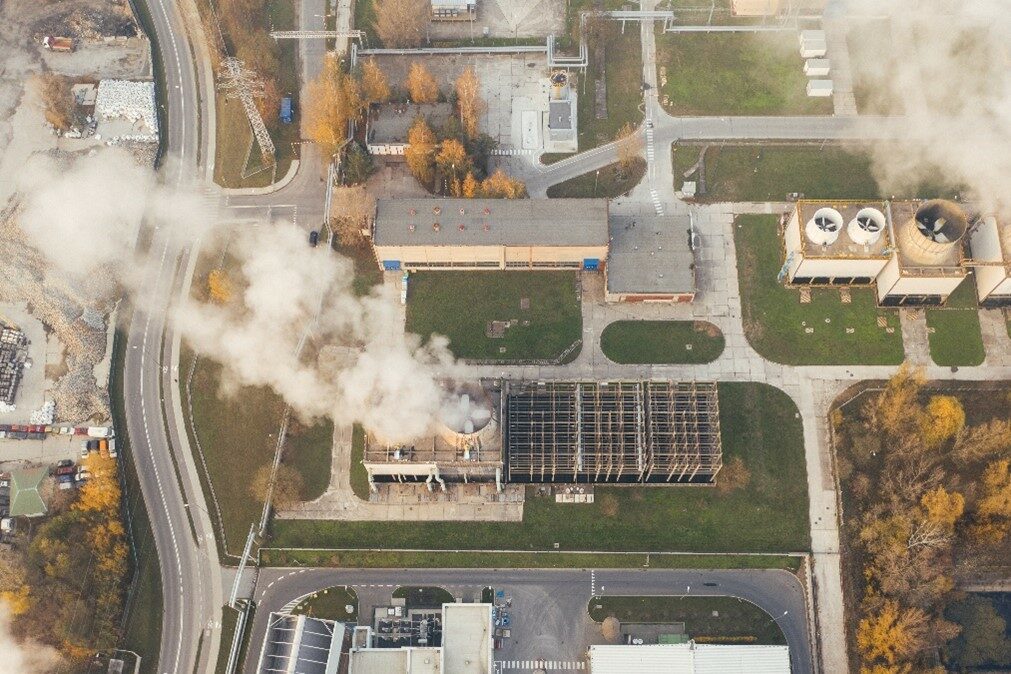
This is the question that Trinomics and our partners aimed to answer through the recently finished ESPON EU-TITAN project (“European Territorial Impacts Tackled by improved economic Appraisal of Natural Disasters”). Using innovative methodologies, the project analysed the distribution and territorial patterns of the impacts of four natural hazards that often occur in Europe, namely river floods, storms, droughts, and earthquakes. Trinomics’ work specifically focused on…

Trinomics and partners kick-off the Energy Transition Expertise Centre

The European Commission launched a project to support the innovation analysis required for the European energy transition.   In an effort to achieve net carbon neutrality by 2050, Europe needs to undergo major transformations in the energy system, increase the energy efficiency and also the share of renewables in energy supply. These changes will require innovations in existing energy technologies, introduction of new ones as well as the development of energy infrastructure for conventional and…

Ex-post evaluation of the implementation of Part IV of the “Trade Pillar” between the EU and and Central America

What are the main environmental impacts of the Association Agreement between the EU and its Member States and Central America? The evaluation study will support the European Commission – DG Trade in developing an ex-post evaluation of the implementation of the Association Agreement Trade Pillar (EU-CA TP) between the EU and its Member states and…

Study on the impacts of stimulating biomethane production in Flanders

Should the Flemish government support biomethane production? The project aims to estimate the technical and economic potential for increased biomethane production and to evaluate whether or not it makes sense to stimulate this production. Key insights of the study will include the potential assessment, the comparison of different options for utilising biogas (including converting to…

Ex-Post Evaluation of the Risk-Sharing Finance Facility (RSFF) and the Risk-Sharing Instrument (RSI) Pilot

Was the Risk Sharing Finance Facility successful? The project concerns an ex-post evaluation which aims to assess the overall implementation and impact of the Risk Sharing Finance Facility (RSFF), examining its implementation and the results achieved compared with the Facility’s objectives. The ex-post evaluation is to cover the period from the launch of the RSFF…

Evaluation of Belgian international climate finance

Evaluation of Belgian international climate finance The Federal Government of Belgium, along with other countries listed in Annex II to the 1992 United Nations (UN) Climate Convention, committed to financially support developing countries in their climate actions. Countries’ current contributions to emissions reduction beyond 2020 are not consistent with the Paris temperature goal and need…

Assessment of potential carbon leakage in the 3rd and 4th phase of EU Emissions Trading System

Assessing the potential carbon leakage risk under EU ETS Phase 3 and 4 Carbon leakage can be defined as a ‘situation that may occur if, for reasons of costs related to climate policies, businesses were to transfer production to other countries with laxer emission constraints – consequently, this could result in an increase in their…

Support to the development of guides to a Climate Action and Environment Sustainability Tracking System for the PJ/ETD/AGRUDEV division

How will EIB track and monitor its ambition for CA&ES finance by 2025? The European Investment Bank (EIB)’s funding and lending practice could be a bellwether for sustainable investments. By acting as an interface between the dimensions of policymaking, project evaluation and technical assessment, the EIB is also helping the capital market to identify sustainable…

Support to the definition of a Climate Action and Environmental Sustainability Tracking System

How will EIB track and monitor its ambition for CA&ES finance by 2025? The European Investment Bank (EIB)’s funding and lending practice could be a bellwether for sustainable investments. By acting as an interface between the dimensions of policymaking, project evaluation and technical assessment, the EIB is also helping the capital market to identify sustainable…

Support to the preparation of implementing and delegated acts in the climate field under the Governance Regulation

How will the EU and its Member States report on support provided to developing countries? The European Commissions’ 2015 Communication on a Framework Strategy for a Resilient Energy Union with a forward-looking Climate Change policy outlined that the Energy Union needs an integrated monitoring and reporting process to make sure energy and climate-related actions at…

Decommissioning of offshore oil and gas installations: a technical, legal and political analysis

What are the technical, legal and political issues related to the decommissioning of offshore oil and gas platforms, and how could these be addressed at EU level? Planning for decommissioning and dismantlement of offshore oil and gas production infrastructure presents significant engineering, safety, environmental, societal and economic challenges to organisations with assets entering their end…

Support in developing integrated nature area management in the Netherlands

How to develop an integrated area management approach for the Netherlands? Urbanisation, sustainability, and climate adaptation are major intertwined challenges that the Netherlands faces today. The pressure on the physical living environment in the Netherlands is so great that conflicting interests can often not be resolved separately.  Therefore, employing an integrated approach in natural area…

Support to the Preparation of Territorial Just Transition Plans in Sweden

How to decarbonise Sweden’s energy intensive industry, in a socially just manner Sweden has high ambitions regarding the transition to a fossil free society. In 2020, the Swedish government published the National Energy and Climate Plan which sets out priority climate and energy policies up to 2045, including energy and carbon taxes, renewable energies initiatives…

Assessing unbundling of selling of mobile phones and other portable devices from their chargers (de-coupling)

Would excluding chargers from new devices really help the environment? And what would the other impacts be on consumers and industry? The evaluation study will support the European Commission – DG GROW to assess the economic and environmental impacts deriving from the unbundling of chargers from mobile phones and other portable devices. The outcomes of…

Trinomics now a CTCN member

Trinomics is pleased to announce that it is now an official member of the Climate Technology Centre and Network (CTCN). “The CTCN is the operational arm of the UNFCCC Technology Mechanism, hosted by the UN Environment Programme and the UN Industrial Development Organization (UNIDO)”. It aims at promoting the rapid uptake and transfer of environmentally sound technologies in the fields of climate…

Mid-term review Kenya Innovative Finance Facility for Water (KIFFWA)

Scaling up viable water sector investment opportunities in Kenya The Kenya Innovative Finance Facility for Water (KIFFWA) is a co-developer of water initiatives in Kenya. It provides early stage capital, finance and engineering expertise to support the creation of viable water investment opportunities and attract (private) providers of finance. A growth in the investments in…

Monitoring and evaluation support to the European Climate Foundation (ECF)

Supporting M&E activities for CIFF’s core funding to ECF ECF was established in 2008 as a major philanthropic initiative to help Europe foster the development of a low-carbon society and play an even stronger international leadership role to mitigate climate change. The foundation works through several sectoral, cross-cutting and regional initiatives and collaborates with a…

Strengthening of air quality monitoring, modelling and plans under the Ambient Air Quality Directives

How can the air quality monitoring, modelling and plans be further strengthened? The aim of this project is to support the European Commission in the process to strengthen air quality monitoring, modelling and plans. It will do so in particular by further mapping and analysing established practice across Member States, as well as by assessing…

ACER budget and staffing

Budget and Staffing for the Cooperation of European Regulators ACER, the Agency for the Cooperation of European Regulators, has suffered for several years of substantial shortages of financial and human resources. It is challenging for ACER to deal with these shortages, and the Agency has had to deprioritise several activities. This is because of a…

Trinomics will study the environmental impacts derived from the unbundling of chargers from mobile phones and other devices

The European Commission (EC) is expected to adopt a common charger solution at EU-level in 2021. In preparation for the new initiative, Trinomics will support DG GROW to assess the economic and environmental impacts deriving from the unbundling of chargers from mobile phones and other portable devices (decoupling).    The project is a follow-up to the Impact Assessment Study on Common Chargers of Portable Devices that Trinomics carried out in…

The study “Opportunities for Hydrogen Energy Technologies Considering the National Energy & Climate Plans” has just been published!

The Fuel Cells and Hydrogen Joint Undertaking, in consultation with European Commission – DG Energy, published a study on the Opportunities for Hydrogen Energy Technologies Considering the National Energy & Climate Plans, prepared by Trinomics together with LBST. The study focuses on the potential and opportunities of renewable hydrogen, produced by electrolysers using renewable electricity…

Evaluation of the climate benefits of the use of harvested wood products in the construction sector

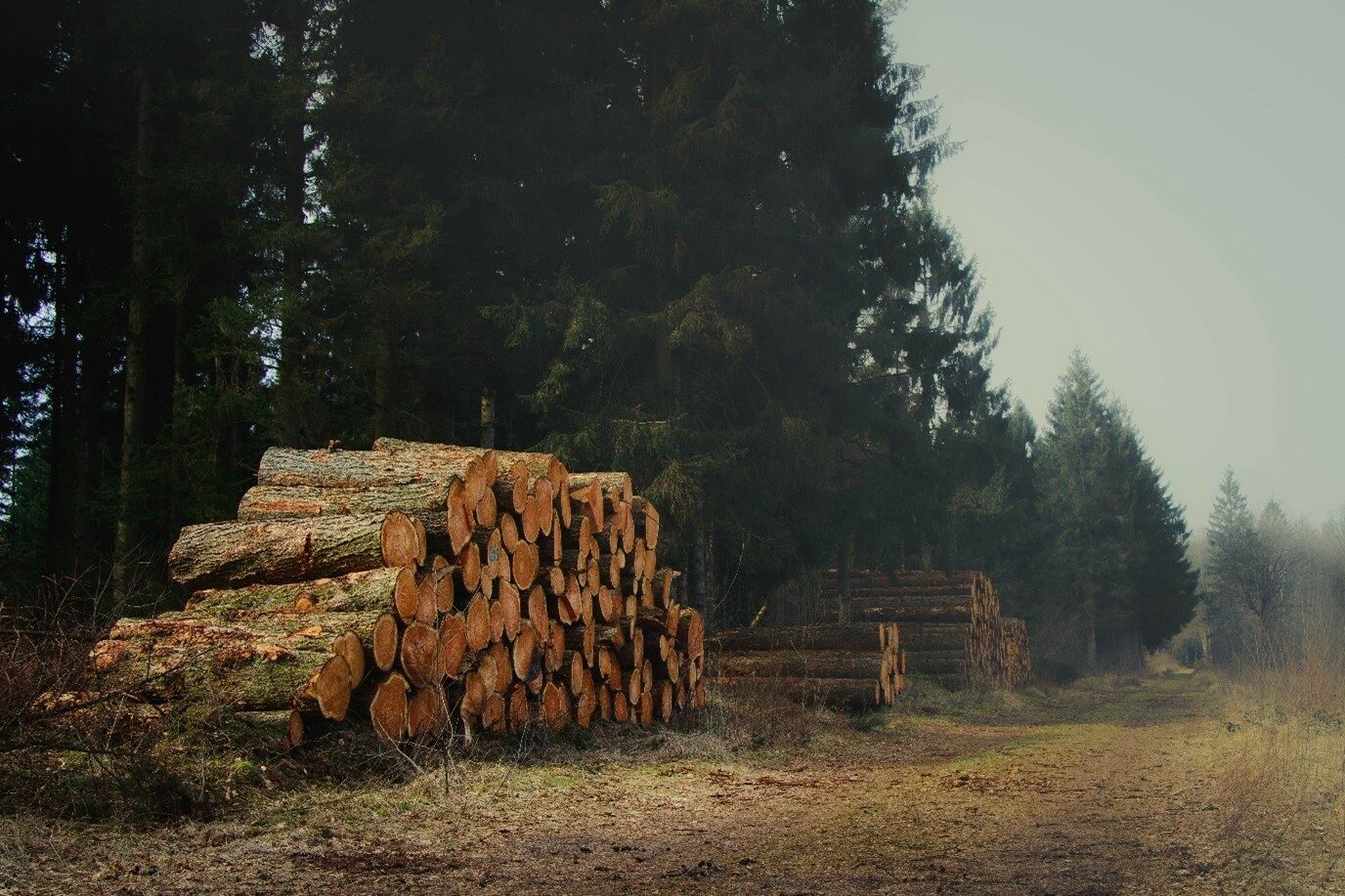
How to incentivise the usage of wood in construction as a carbon sink – while ensuring that its harvest is sustainable? Using wood timber or engineered wood as construction materials can lead to a double benefit in terms of climate change mitigation: it avoids the intense GHG emissions related to the production of concrete, steel…

Structuring and analysis of the public feedback on the TEG taxonomy report

The EU Taxonomy: was it usable for stakeholders? The challenge of achieving global sustainable development is also an investment challenge – enormous investments will be needed in the upcoming decades to provide solutions to key climate pressures. To achieve the volumes required, the share of investments going into sustainable activities will need to shift upwards…

Ecosystem restoration and establishment of green infrastructure to support commitments of the European Green Deal

How can ecosystems be effectively restored throughout Europe? Maintaining functional, healthy ecosystems is imperative for the conservation of biodiversity and the essential ecosystem services that humans depend on. However, throughout Europe the status of many ecosystems have continued to degrade due to anthropogenic drivers and stressors. To tackle this, several policies in Europe have aimed…

Ex-post evaluation of the implementation of the Trade Agreement between the EU, Member States, Colombia, Peru and Ecuador

What have been the main environmental impacts of the Trade Agreement between the EU and its Member States and Colombia, Peru, and Ecuador? The evaluation study will support the European Commission – DG Trade in developing an ex-post evaluation of the implementation of the Free Trade Agreement (FTA) between the EU and its Member states…

Project of the EU Social Partners on the Circular Economy

How will the Circular Economy affect European workers and employers? “The European cross-sectoral social partners (i.e. the European Trade Union Confederation – ETUC on the workers’ side, BusinessEurope, SMEUnited and the European Centre of Employers and Enterprises providing Public Services – CEEP on the employers’ side) have identified Circular Economy as a major development affecting…

Public sector energy efficiency investment programme supporting Ireland’s EU 2030 climate and energy targets

How can the public sector in Ireland reach its energy efficiency targets for 2030? The Irish National Climate Action Plan provides an ambitious framework and targets for Ireland to respond to the Climate and Energy Transition agendas. In this Plan, the Public Sector has been identified as having to lead by example with specific targets…

Support to the Development of a Composite Indicator to Track Clean-Energy Innovation Performance of EU Members

How can countries track their progress on clean-energy innovation? The objective of this study is to develop an indicator-based framework aimed at tracking the evolution of clean-energy innovation performance based on a limited set of output indicators, namely patents, trade and publications. The project objective is to define a set of indicators and to extract,…

New Vacancies

Trinomics is now accepting applications for several Senior Consultant roles: An experienced Senior Consultant – Climate Mitigation full-time) to join our EU climate policy team in Rotterdam (NL) or Brussels (BE). The successful applicant will support the cluster manager in further expanding Trinomics’ project portfolio in European and international policy development and assessments in the…

Limits of Recycling 2020

How high can recycling targets fly? In light of increasing recycling targets and the drive for a more circular economy in Europe, the aim of the contract was to identify and assess the limits to the recycling of selected waste streams in Europe. The waste streams were Municipal Solid Waste (MSW), Waste from Electrical and…

Support for the assessment of the Long-Term Strategies of EU Member States

How do Member State climate ambitions contribute to the EU 2050 objectives? The Energy and Climate Governance Regulation (EU) 2018/1999 requires the European Commission (EC) to assess whether the national long-term strategies are adequate for the collective achievement of the objectives and targets of the Energy Union and the long-term Union greenhouse gas (GHG) commitments…

Cir©Lean: European Network of Businesses and SMEs for Industrial Symbiosis

Supporting the EU to create a network and tools to grow Industrial Symbiosis Earlier work by Trinomics et al established that whilst there are a number of active initiatives on Industrial symbiosis (IS) across the EU, particularly in some industry sectors (e.g. cement), there remains significant untapped market potential (http://trinomics.eu/project/industrial-symbiosis/). There are multiple reasons for…

Public financial contribution to international biodiversity of the Netherlands

Efforts of the Netherlands to scale-up international biodiversity finance The world is witnessing a steady loss of biodiversity, which has profound consequences for human well-being. This is the main conclusion of the Global Assessment of the Intergovernmental Platform on Biodiversity & Ecosystem Services (IPBES), which was released in May 2019. The IPBES-report concludes that developing…

Rate of Return for Renewable Energy Investors

What is an appropriate rate of return for renewable energy investors? The Flemish government stimulates investments in sustainable energy generation (renewables and CHP) through portfolio standards and certificates. For estimating the number of certificates for each technology an assumption on the minimum required internal rate of return (IRR) is needed. In this study, we evaluated…

The “study on energy storage – contribution to the security of the electricity supply in Europe” has just been published!

The “study on energy storage – contribution to the security of the electricity supply in Europe” developed for the European Commission – DG Energy can now be downloaded.   The project aimed to assess the role of the different energy storage technologies in the decarbonisation of the EU electricity system, to evaluate their contribution to…
OPC

Open Public Consultation for the European Climate Pact and 2030 Climate Plan

Trinomics, together with Ricardo and Tyrsky Consulting, is supporting the European Commission in analysing and presenting the results of two open public consultations that are integral part of the European Green Deal.  We invite all citizens and interested stakeholders to share their views on the European Climate Pact and on the 2030 Climate Plan! The consultations are open until 27 May 2020 and 23 June…